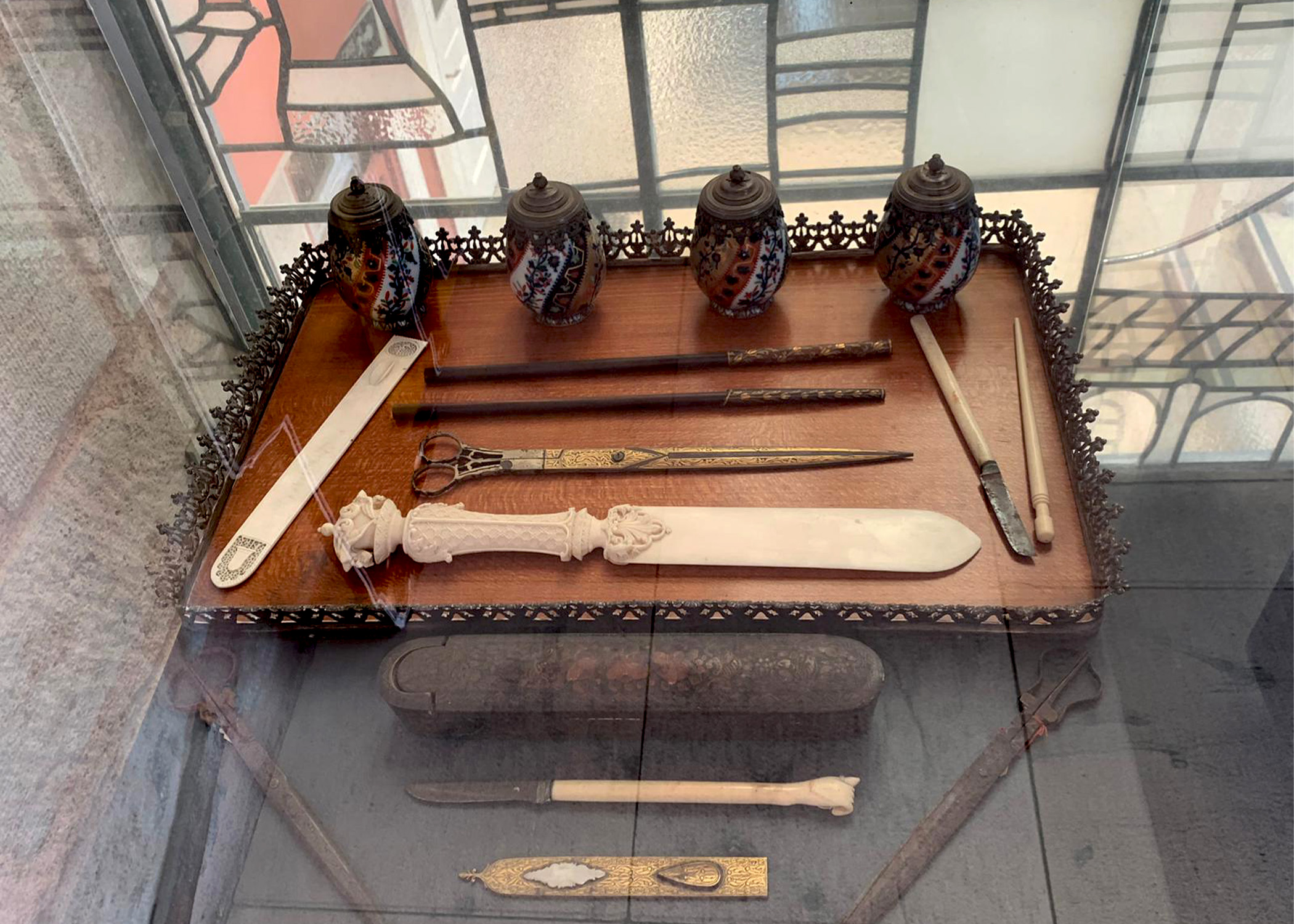
Pen types & nibs
Broad-edge versus pointed pen, fountain pens and brush pens, and how each one shapes a letter differently.
Read the articleCalligraphy & hand-lettering reference
QuietLedgerWay collects practical notes on pen types, stroke order and the scripts most beginners meet first. Written for people picking up a nib for the first time, with details that matter when you are practising in Canada.
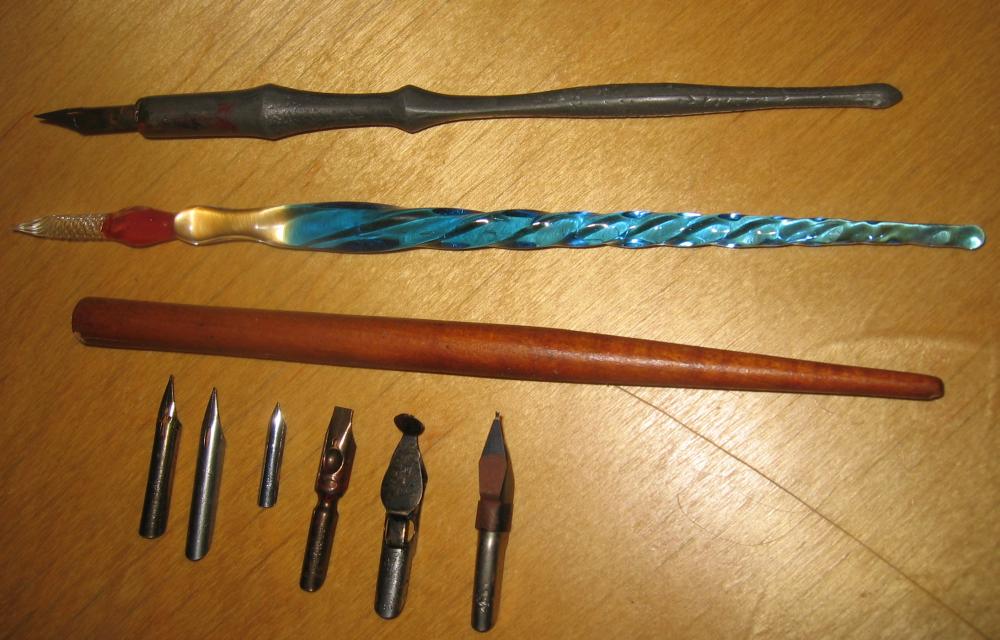
Three starting points
Each article keeps to one subject so you can read it in a single sitting and return to it at the desk.
Broad-edge versus pointed pen, fountain pens and brush pens, and how each one shapes a letter differently.
Read the article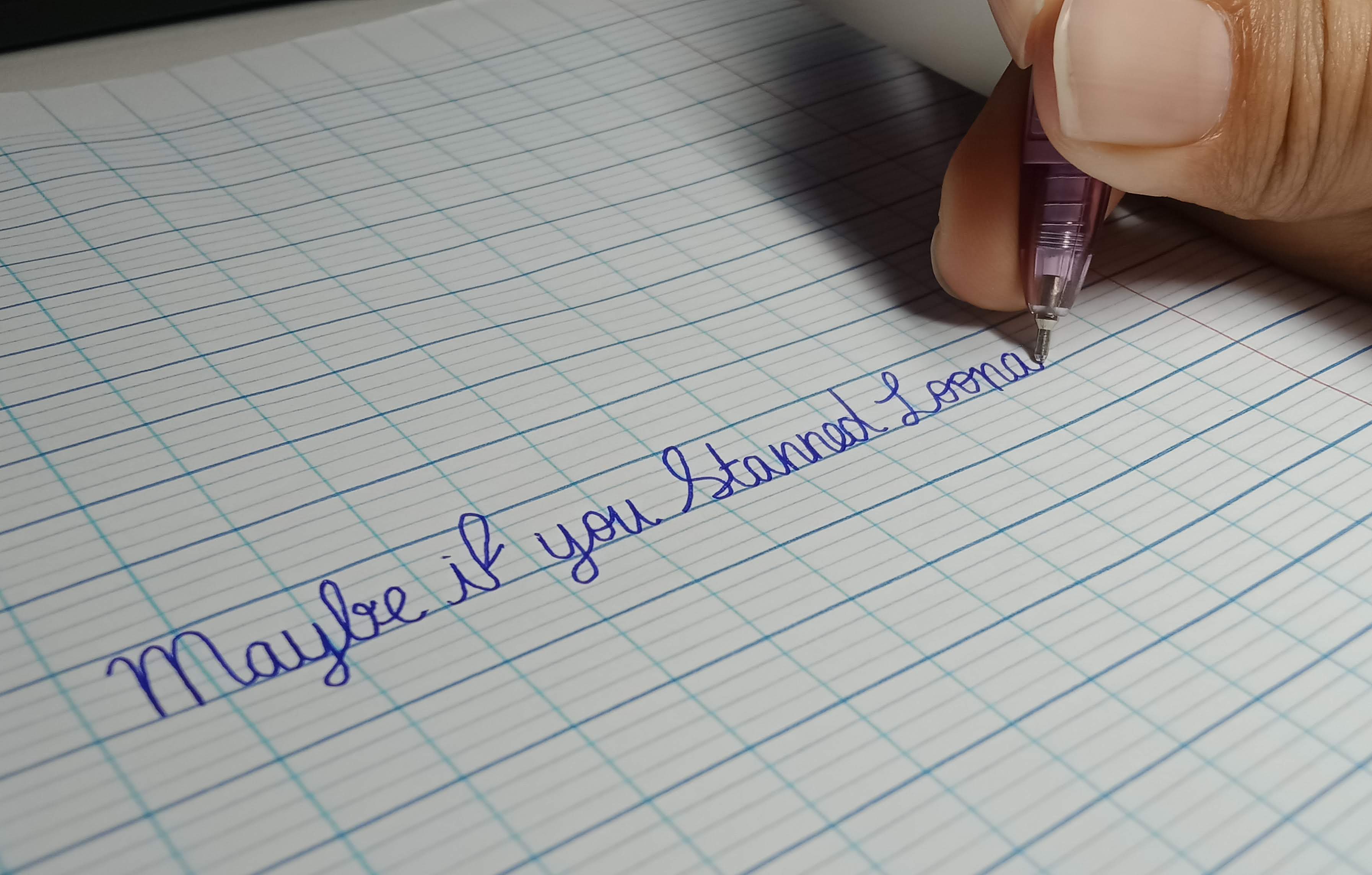
Why letters are built from a small set of repeated strokes, and the order that keeps spacing even.
Read the article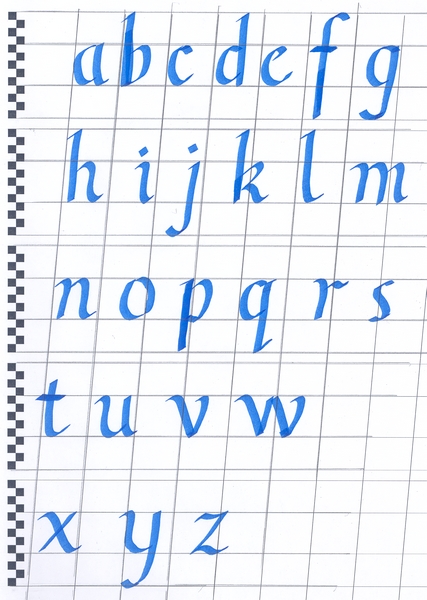
Foundational hand, italic and modern brush lettering: what sets them apart and which to try first.
Read the articleHow the practice breaks down
Hand-lettering looks like a single fluid act, but it is really a sequence of small, repeatable decisions. Reading it as stages makes the early weeks far less frustrating.
The labelled stages below describe a typical practice loop. They are a way of organising attention, not a fixed rulebook.
Rule your guidelines lightly in pencil, study an alphabet sheet, write each letter stroke by stroke, then compare against the model before erasing.
Common starting measurements for a broad-edge foundational hand, set in nib-widths rather than millimetres.
Contact
Spotted an error, or want a topic covered? Use the form below. It runs entirely in your browser and does not transmit anything to a server.
Pick a topic and keep the page open beside your practice sheet.